Landscaping
How to Plan a Landscape Transformation
Published September 30, 2026
A successful landscape transformation starts with an honest look at your site — soil, drainage, sun exposure, and how you use the yard — before any plant selection happens. From there, the work typically sequences from grading and drainage, through bed layout and hardscape elements, to planting and finally mulch and finishing touches. Skipping the site assessment is the most common reason transformations underperform.
On This Page
Assess Your Site First
Soil type, drainage patterns, sun and shade exposure, and existing mature trees all affect what will actually thrive on your property. A plan built around a Pinterest board without accounting for these factors often struggles within the first year, regardless of how it looked on paper. This is also the stage to identify any drainage issues — see Signs Your Property Has a Drainage Problem so they can be addressed before planting rather than after.
Define How You Use Each Area of the Yard
A landscape transformation works best when it is organized around real use: a front yard focused on curb appeal, a side yard for utility and access, and a backyard built around relaxing, entertaining, or a garden. Mapping these zones before design work begins keeps the final plan functional, not just decorative.
Plan Grading and Drainage Before Plant Selection
Grading and drainage determine where water goes during a storm, and correcting them after planting is far more disruptive than addressing them first. Any regrading, French drains, or drainage beds should be part of the earliest phase of a transformation, not an afterthought once beds are already planted.
Decide Where Hardscaping Fits In
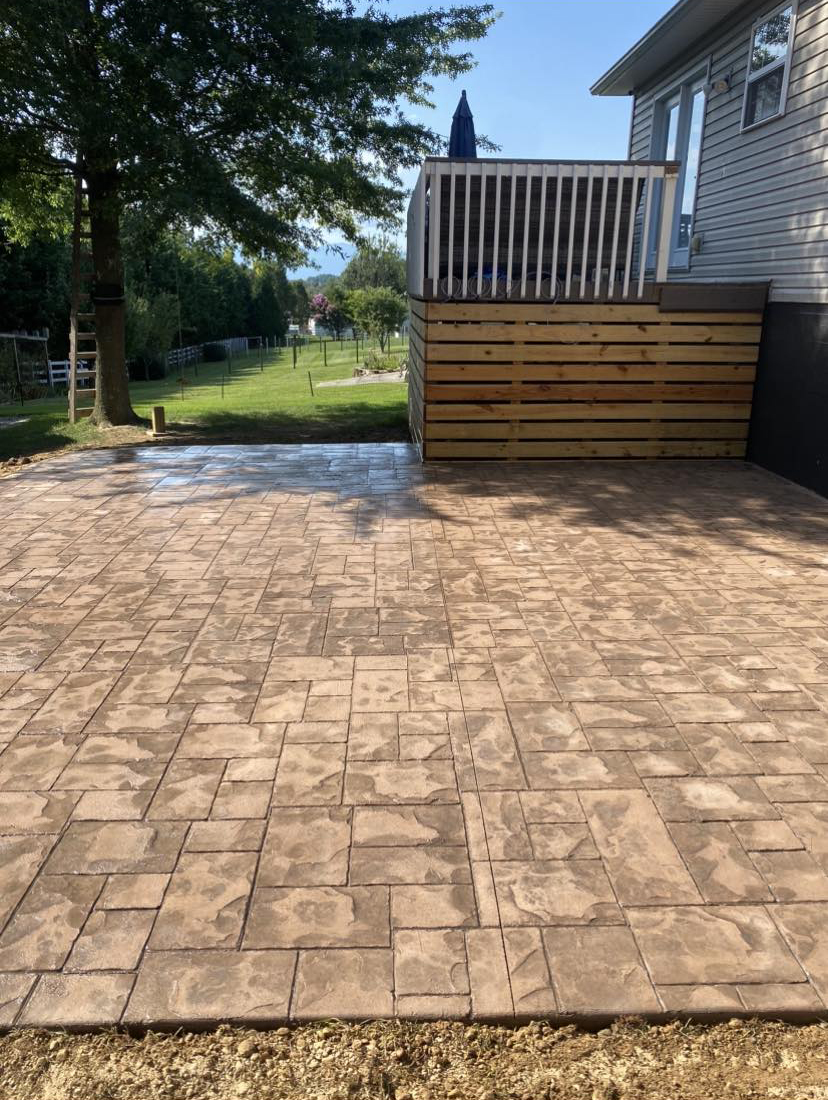
Many landscape transformations include some amount of hardscaping — a walkway, a small patio, or a retaining wall — even if the primary goal is plant-focused. Deciding on these elements early avoids having to dig up or work around finished beds later. See Landscaping vs. Hardscaping: What's the Difference? if you are unsure how the two fit together on your property.
Choose Plants for Your Site, Not Just Your Taste
Plant selection should balance the look you want with what will actually succeed given your soil, sun exposure, and East Tennessee's climate. See Landscaping Ideas for East Tennessee Homes for locally relevant considerations that are easy to overlook when working from generic design inspiration.
Sequence the Work
A typical order for a larger transformation is: grading and drainage, hardscape and structural elements, irrigation rough-in if applicable, planting, and finally mulch and finishing details. Doing these in a different order — planting before grading is complete, for example — often means redoing work.
Plan for Ongoing Maintenance From the Start
A landscape transformation is an investment that needs upkeep to keep looking the way it did on installation day. Building a maintenance plan into your budget and schedule from the beginning — rather than deciding after the fact — tends to protect that investment better. See A Seasonal Landscape Maintenance Guide for East Tennessee for what that upkeep typically involves through the year.
Frequently Asked Questions
Keep Reading
 Landscaping
Landscaping vs. Hardscaping: What's the Difference?
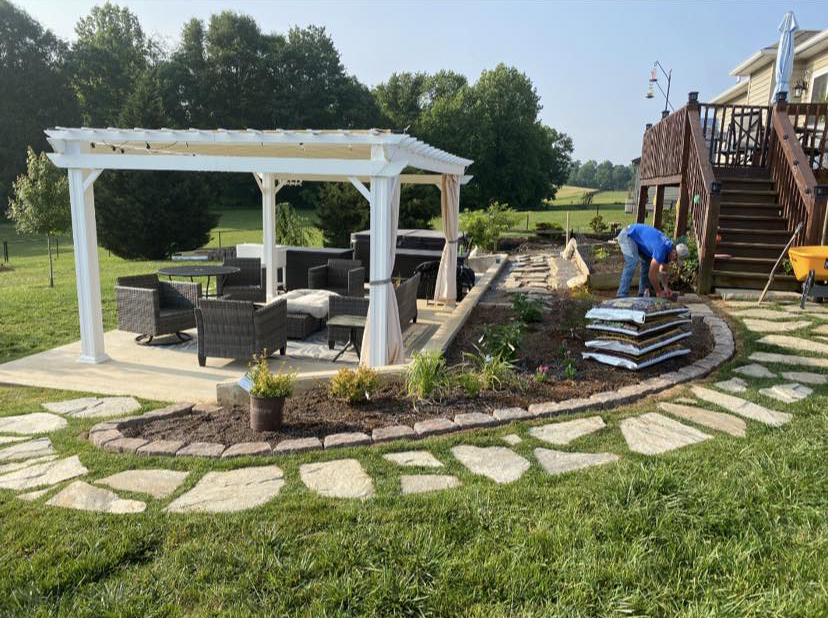
Landscaping and hardscaping are the two halves of a well-designed property. Here is what each one covers and how they work together.
Read More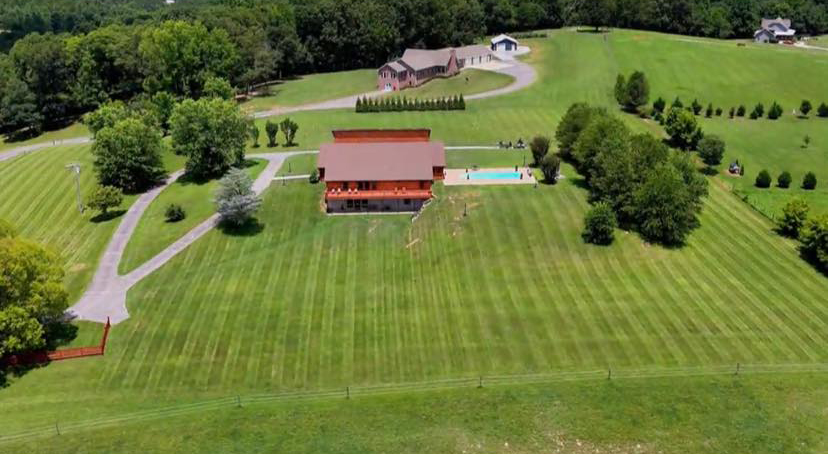 East Tennessee Guides
Landscaping Ideas for East Tennessee Homes
Practical landscaping ideas that account for East Tennessee terrain, slopes, and seasonal conditions rather than generic design inspiration.
Read More Irrigation & Drainage
Does Your Landscape Need an Irrigation System?
An irrigation system is not necessary for every yard, but it solves specific problems. Here is how to know if one makes sense for your property.
Read MoreIrrigation & DrainageSigns Your Property Has a Drainage Problem
Standing water, soggy lawn spots, and erosion are common signs of a drainage problem. Here is how to recognize them before they cause lasting damage.
Read More