Hardscaping
Retaining Walls: When Does Your Property Need One?
Published September 30, 2026
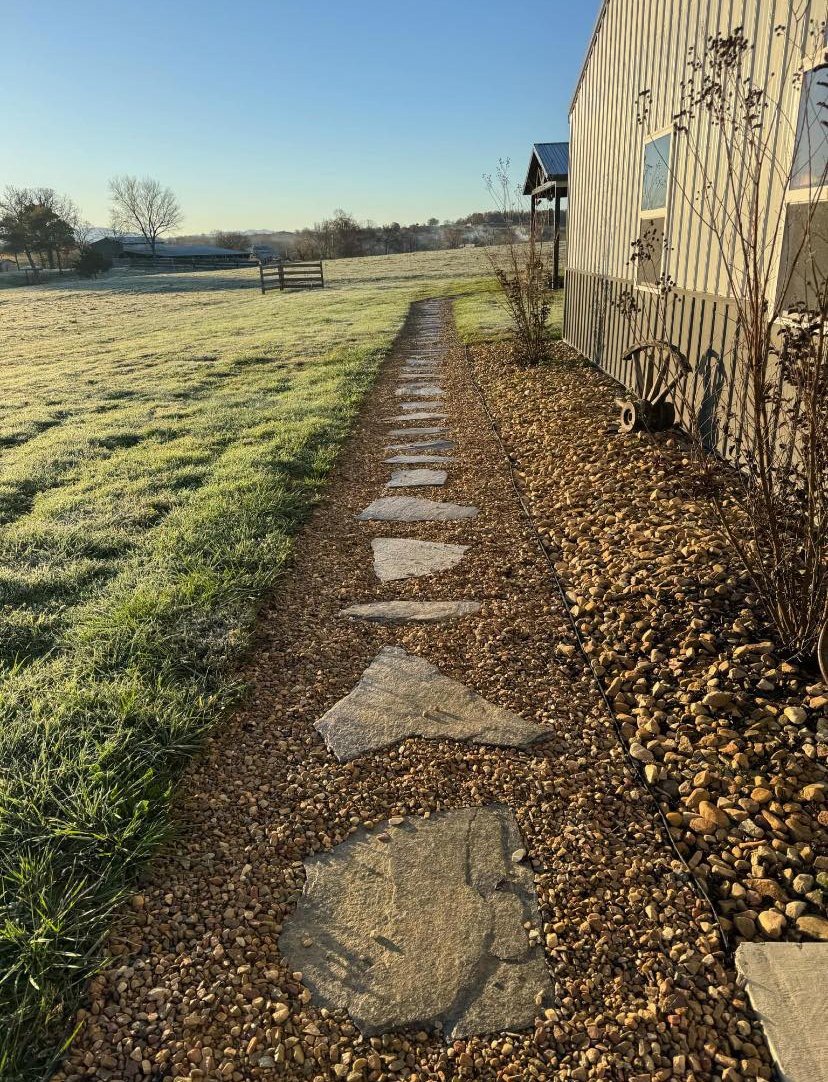
A retaining wall is likely worth considering if your property has a noticeable slope that erodes or washes out during rain, an area of yard that is unusable because of grade change, or soil visibly shifting or slumping near a structure. Retaining walls hold back soil, create usable level space, and can significantly reduce erosion when built correctly.
On This Page
Erosion on a Slope
If a sloped area of your yard is losing soil, developing bare patches, or washing out visibly after storms, a retaining wall can stabilize the slope and stop the erosion from progressing. This is one of the most common reasons homeowners end up needing a wall. See Signs Your Property Has a Drainage Problem for other related warning signs worth watching for.
Unusable Sloped Space
A steep grade change can make part of a yard difficult to use — hard to mow, hard to walk across, or simply wasted space. A retaining wall can convert that slope into level, usable terraces for lawn, garden beds, or a patio.
Soil Movement Near Structures
If soil near a foundation, driveway, or patio appears to be shifting, slumping, or pulling away, it is worth having the site assessed. In some cases a retaining wall addresses the underlying grade issue; in others, drainage work is the more direct fix. A site visit helps determine which applies.
Retaining Walls and Drainage Work Together
A wall built without proper drainage behind it can fail from hydrostatic pressure buildup. Correctly built retaining walls include drainage material and, often, a drain pipe behind the wall to relieve water pressure — a detail that is easy to miss with a poorly built wall but essential for long-term stability.
Materials and Design
Retaining walls can be built from segmental block, natural stone, or poured concrete, each offering a different look and height capability. We assess the slope, soil, and intended use of the space before recommending a material and design.
Frequently Asked Questions
Keep Reading
Irrigation & DrainageSigns Your Property Has a Drainage Problem
Standing water, soggy lawn spots, and erosion are common signs of a drainage problem. Here is how to recognize them before they cause lasting damage.
Read More Hardscaping
What Is Hardscaping? A Homeowner's Guide
Hardscaping covers every built, non-living element of your property. Here's what it includes, why it matters, and how it works alongside landscaping.
Read MoreIrrigation & DrainageHow Do I Fix Drainage Problems in My Yard?
Standing water and soggy lawn areas are almost always fixable. Here are the most common solutions and how to know which one you need.
Read More